
Creating a healthy and balanced diet is one of the most powerful steps you can take to improve your energy, metabolism, and overall well-being. Rather than following restrictive diets, a sustainable approach focuses on providing your body with the nutrients it needs to function optimally. A healthy and balanced diet supports long-term health, reduces inflammation, and helps prevent chronic diseases such as heart disease, diabetes, and obesity.
There are all sorts of reasons for not having a healthy diet. Some people don’t know much about nutrition and think that they already eat healthily. Others don’t realize just how bad a poor diet can be for them. Many others just focus on convenience and look for fast, convenient foods, such as takeaways or ready meals due to a tight schedule, not recognizing that these foods are ultra-processed and packed with excess salts, sugars, and unhealthy vegetable oils.
What Is a Healthy and Balanced Diet?
A well-balanced diet ensures your body receives the nutrients it needs without excess calories. A balanced diet fuels your body for daily activities, exercise, and mental clarity.
A healthy and balanced diet provides your body with the right combination of macronutrients and micronutrients to function properly:
Micronutrients
Micronutrients are all the essential elements needed to have optimal health, such as vitamins, minerals, and antioxidants.
Macronutrients
These are chemical compounds that provide energy and are needed in the largest quantities to survive, grow, and reproduce, such as carbohydrates, proteins, and fats.
Carbohydrates
Carbohydrates are the body’s primary energy source, fueling the brain, muscles, and daily activities while supporting optimal performance and endurance. These also provide fiber.
- Focus on complex carbs: whole grains, fruits, vegetables, and legumes
Protein
Protein is essential for muscle repair, tissue growth, and metabolic function, playing a key role in recovery, strength, and overall body maintenance.
- Focus on lean meats, wild-caught fish, eggs, and plant-based proteins
Fats
Healthy Fats support hormone production, brain function, and nutrient absorption, while also providing a sustained source of energy and helping regulate inflammation.
- Include avocados, nuts, seeds, as well as olive and coconut oils
Aim to source at least 80% of your food from organic options whenever possible to minimize exposure to pesticides, chemicals, and toxins that can negatively impact your health.
Hydration
Hydration plays a critical role in digestion, metabolism, and energy levels. Keep in mind that even mild dehydration can impact performance and overall well-being.
- Drink filtered water consistently throughout the day, ncrease intake during exercise, and limit sugary beverages
Build Your Plate the Right Way
Use the updated food pyramid as a practical guide to structure your meals.
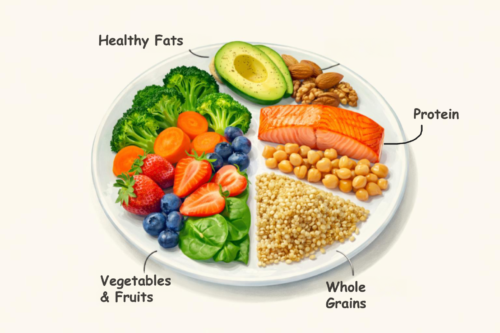
A simple way to structure meals:
- ½ plate: Vegetables and fruits
- ¼ plate: Lean protein
- ¼ plate: Whole grains
- + Include: Healthy fats in each meal
This approach ensures nutrient balance and supports stable energy levels throughout the day.
Identify Your Caloric Needs
AA healthy diet isn’t just about food quality—it’s also about energy balance. Understanding your caloric needs is essential for optimizing metabolism and overall health. Your Estimated Energy Requirements (EER) are influenced by age, gender, body composition, and activity level. Consistently meeting your individualized calorie needs helps fuel your body efficiently while preventing both undernourishment and excess intake.
Check out the guidelines below, created by the Institute of Medicine, to have a concrete idea of how many calories you should be eating.
| Gender | Age (years) | Sedentaryb | Moderately Activec | Actived |
|---|---|---|---|---|
| Child | 2-3 | 1,000 | 1,000-1,400 | 1,000-1,400 |
| Female | 4-8 9-13 14-18 19-30 31-50 51+ | 1,200 1,600 1,800 2,000 1,800 1,600 | 1,400-1,600 1,600-2,000 2,000 2,000-2,200 2,000 1,800 | 1,400-1,800 1,800-2,200 2,400 2,400 2,200 2,000-2,200 |
| Male | 4-8 9-13 14-18 19-30 31-50 51+ | 1,400 1,800 2,200 2,400 2,200 2,000 | 1,400-1,600 1,800-2,200 2,400-2,800 2,600-2,800 2,400-2,600 2,200-2,400 | 1,600-2,000 2,000-2,600 2,800-3,200 3,000 2,800-3,000 2,400-2,800 |
You should use this guide, taking into consideration your activity level:
- Sedentary: people only engaging in light physical activity associated with day-to-day life
- Moderately Active: a lifestyle engaging in physical activity equivalent to walking about 1.5 to 3 miles per day at 3 to 4 miles per hour, plus the light physical activity associated with day-to-day life
- Active: a lifestyle that includes physical activity equivalent to walking more than 3 miles per day at 3 to 4 miles per hour, plus the light physical activity associated with day-to-day life.
Individuals with a healthy BMI should aim to hit the daily recommended calories for them. If you have a high or low BMI, you may need to adjust the number of calories you consume.
Portion Control and Mindful Eating
Portion control and mindful eating play a crucial role in maintaining a healthy and balanced diet. Besides nutrient density, how much you consume plays a role in your body’s functioning and aesthetics. Eating slowly and with intention allows you to better recognize your body’s hunger and fullness cues, helping to prevent overeating. Becoming more aware of emotional or stress-driven eating patterns can also improve your relationship with food. By practicing mindful eating and managing portion sizes, you can support weight management and promote long-term health.
Supplement
Modern agricultural practices have significantly impacted the nutrient quality of our food. Soil depletion, along with the widespread use of pesticides and herbicides, can reduce the overall nutrient density of what we consume. On top of that, many people find it challenging to consistently eat a wide enough variety of foods to meet all their vitamin and mineral needs.
For these reasons, strategic supplementation can be a valuable tool. High-quality supplements can help fill nutritional gaps conveniently and reliably, supporting overall health and performance. However, it’s essential to choose supplements from reputable brands that prioritize purity, bioavailability, and proper dosing to ensure you’re truly meeting your body’s needs.
Meal Plan to Create a Healthy Balanced Diet
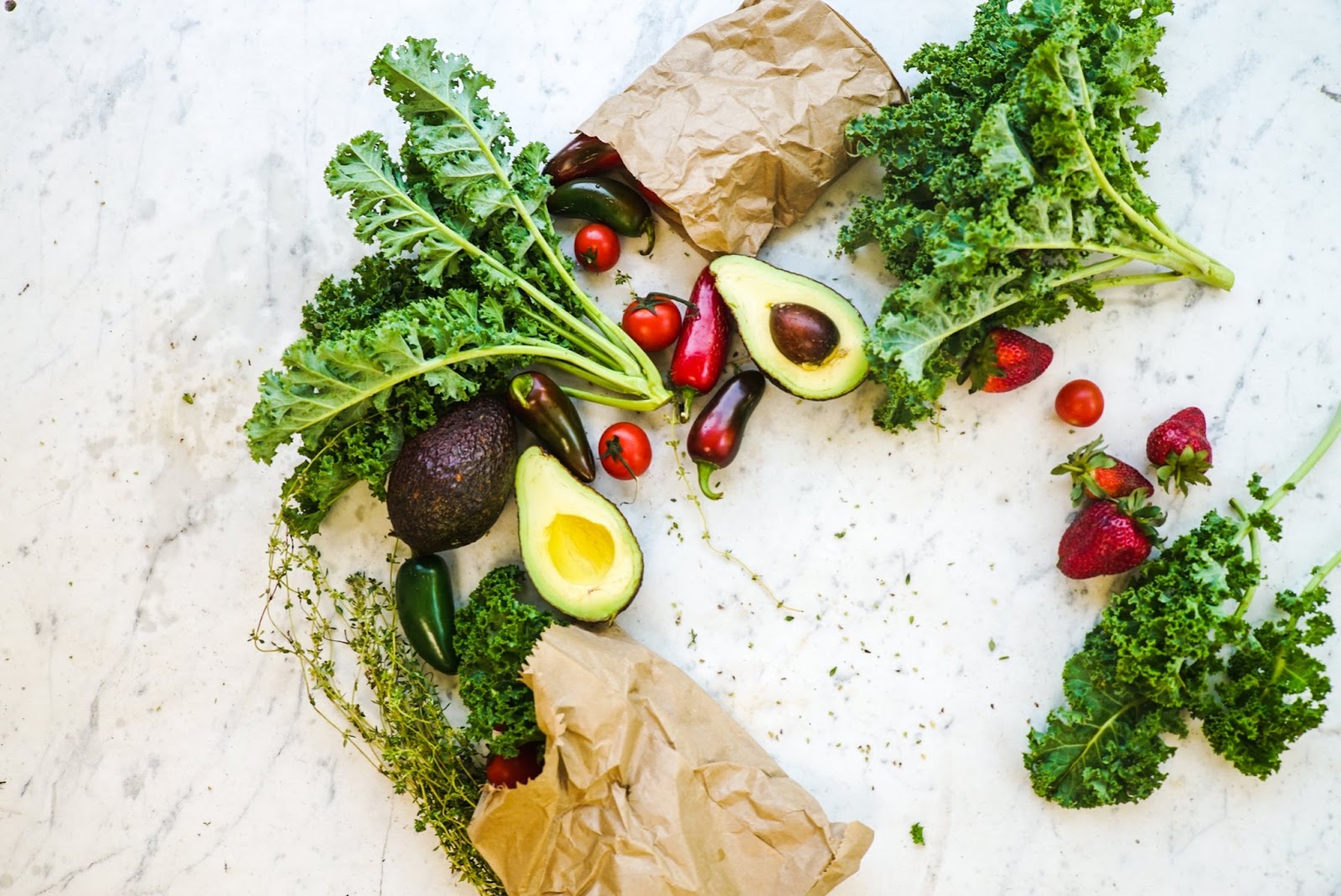
Another way of ensuring you are having a healthy and balanced diet is by planning your meals. Meal planning can really help you start improving your food choices. Taking the time to plan a healthy meal can help you avoid less healthy selections. Sometimes, people end up eating junk foods out of convenience, and because of a lack of planning, they end up eating last-minute, readily available options.
Make sure to come up with a meal plan that suits your tastes and ensures that it incorporates all of the necessary food groups. Investing in some good-quality Tupperware can help since you can cook your meals in bulk. Then, you can have lunches and other meals lined up and waiting to go in the fridge or freezer. Having healthy meals all planned and prepped also takes the stress out of your dinner menu.
Unfortunately, many people have a hard time planning their meals to achieve the results they want for their health or body composition. If that’s the case, you should get personalized recommendations from a holistic professional so you have a meal plan designed for your individual goals and needs. Or you can get a meal delivery service that provides wholesome organic meals.
Creating a Sustainable Diet
A sustainable diet is not about restriction; it’s about creating habits you can maintain long-term. The most effective approach focuses on consistency over perfection, making gradual changes that feel realistic and enjoyable. Instead of relying on extreme or short-term diets, prioritizing small, consistent improvements allows your body and lifestyle to adapt naturally. Over time, these steady habits lead to lasting results that are far more effective and sustainable than drastic approaches.
Common Mistakes to Avoid
- Skipping meals
- Over-restricting calories
- Relying on processed “diet” foods
- Ignoring protein and fat intake
- Not eating enough vegetables
Avoiding these mistakes can significantly improve your results.
Final Thoughts
A healthy and balanced diet is not about following rigid rules; it’s about creating a lifestyle that supports your body, mind, and long-term well-being. When you prioritize whole foods, proper balance, and mindful eating, you move beyond dieting and step into true nourishment. The most powerful changes don’t come from extreme restrictions, but from consistent, intentional choices made every day. By aligning your nutrition with your body’s needs, you can improve your energy, support your metabolism, and build a foundation for lasting health. Your diet isn’t just what you eat; it’s how you fuel your life.
To a Fitter Healthier You,
Mind-Body Optimization Specialist
About the Author
Adriana Albritton is a Mind-Body Optimization Specialist and the founder of FitnAll Coaching. She developed the FITNALL Method, a holistic framework that integrates fitness, internal health, thought patterns, nutrition, adaptation, longevity, and lifestyle habits to support sustainable fat loss and long-term wellness. Adriana is the author of 28 Days to a New Life: A Holistic Program to Get Fit, Delay Aging, and Enhance Your Mindset. She speaks and writes about holistic performance, longevity, and the integration of mind and body for optimal health.